ECU Tuning
Author
Stuart
Date Published
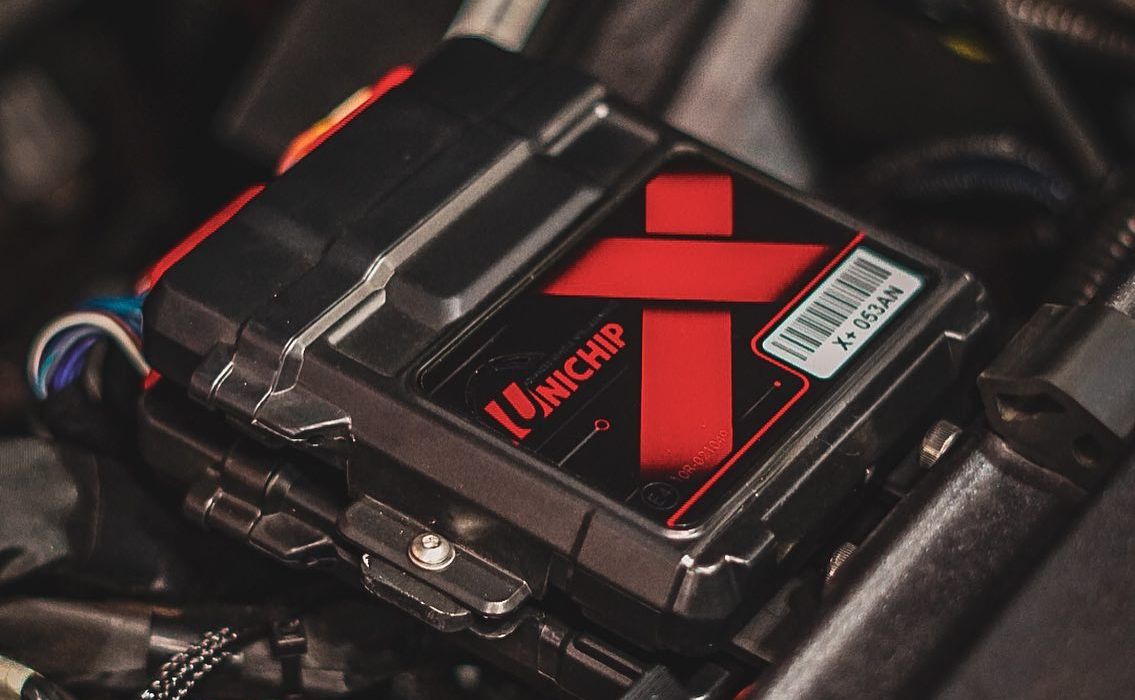
ECU tuning is the act of modifying the software inside a vehicle’s Engine Control Unit (ECU) to change how the engine performs by adjusting parameters such as fuel injection, ignition timing, air–fuel ratio, boost pressure (in turbocharged vehicles), throttle response, and rev limits. By rewriting or “remapping” the factory calibration file, tuners can increase power and torque, improve throttle response, enhance fuel efficiency in some cases, or optimize the engine for aftermarket upgrades like exhaust systems or larger turbos. For example, a car like the Volkswagen Golf GTI can gain noticeable performance improvements from a simple software-only tune without internal engine modifications.
Different Types of ECU Tuning
Stage 1 - Software only
Stage 2 - Requires bolt-on parts (downpipe, intake, etc.)
Custom dyno tune - Fully tailored to your exact car
Piggyback tuning - External module that alters sensor signals
What Happens During ECU Tuning?
A tuner connects to the vehicle’s ECU (usually via the OBD port) and:
Reads the factory software (the “map”).
Modifies certain parameters.
Uploads the new calibrated file back to the ECU.
This modified file is often called a remap or flash tune.